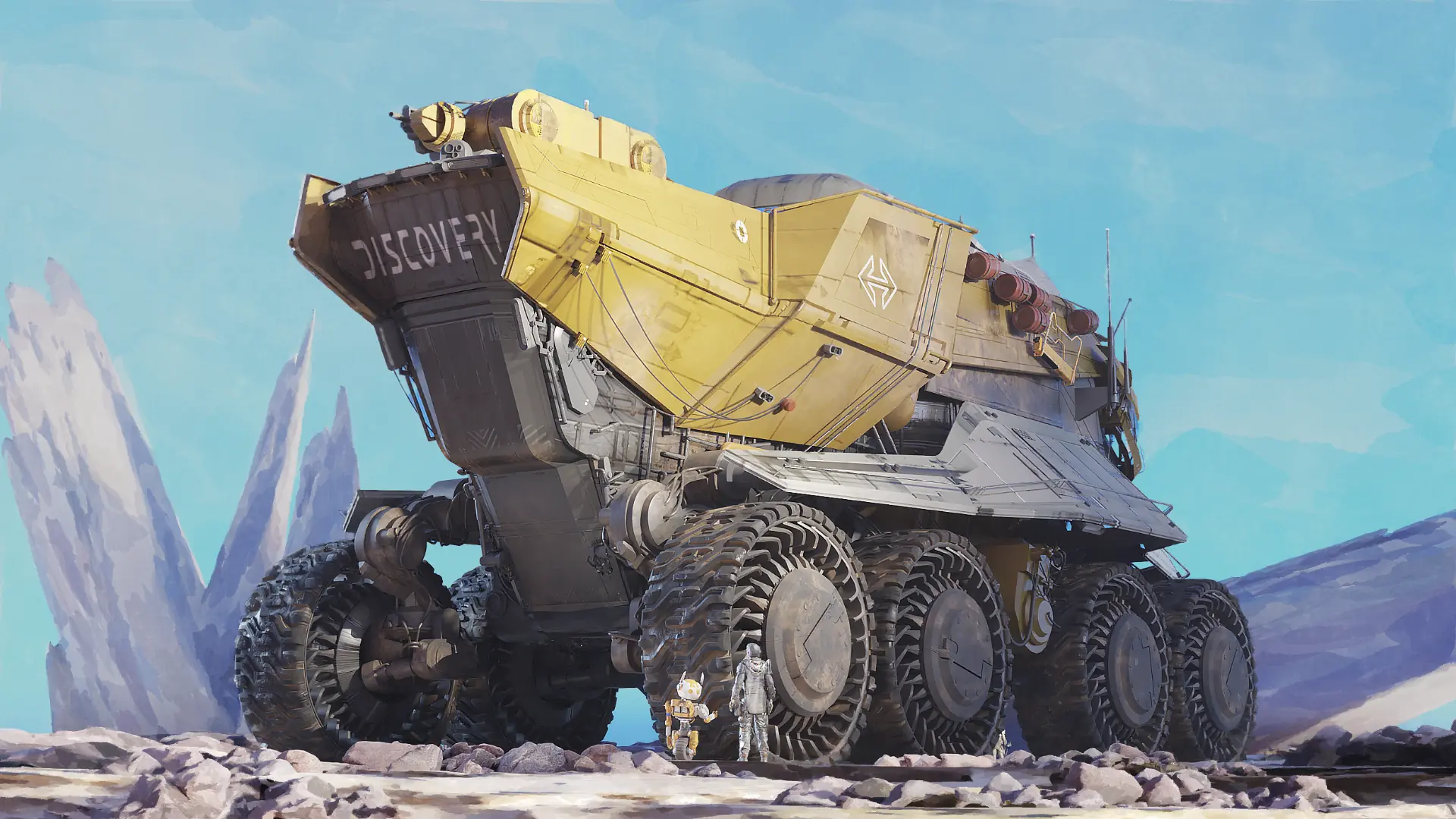
Ukrainian game development company Stepico, together with its product team Immersmind Studio, has released Discovery: Rogue Planet, a story-driven VR shooter for Meta Quest 3 created with support from Meta. It is a sci-fi adventure set on the desert planet Rogax, where players travel aboard the massive Discovery machine, complete missions, repair mechanisms, shoot, explore locations, and gradually uncover the story of the world.
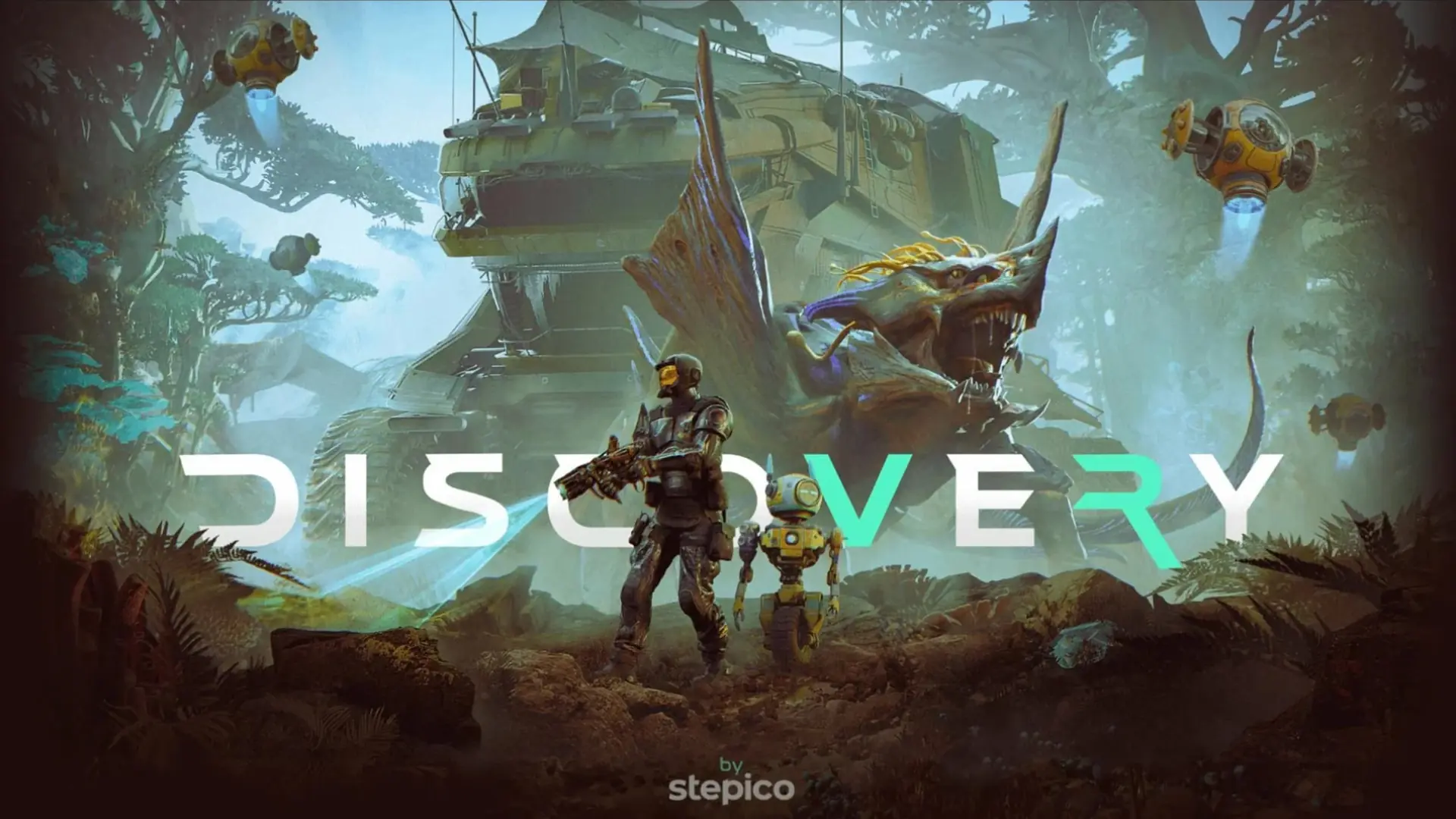
What makes Discovery: Rogue Planet interesting is that it did not start as a release-ready game. At first, it was an internal Unreal Engine demo created inside Stepico to showcase the team’s technical and artistic capabilities in a sci-fi setting. Over time, the demo grew into a full pitch and then into a standalone VR project, around which the Immersmind team was formed.
Discovery: Rogue Planet does not look like a typical VR shooter built around enemy waves or a set of arenas. The team describes it as a story-driven adventure shooter: the focus is not only on shooting, but also on moving through the world, exploration, object interaction, and narrative progression.
Players find themselves on Rogax, a planet that was once an ocean world but turned into a desert after a cosmic catastrophe. This defines the game’s visual logic: dried-out landscapes, coral-like plants, crab-like creatures, abandoned settlements, and dangerous frontier zones. Together, they create the atmosphere of a space western — almost like a road movie in VR, where every stop along the route reveals another part of the world.
VR is not just a format here, but the foundation of the design. In the game, it matters that the weapon is physically in the player’s hands, that reloading happens through controller movements, and that mechanisms need to be repaired and activated directly in space. These details are what separate a VR experience from a traditional first-person shooter: the distance to an enemy, the scale of objects, and even pausing the game feel different when everything happens inside a headset.
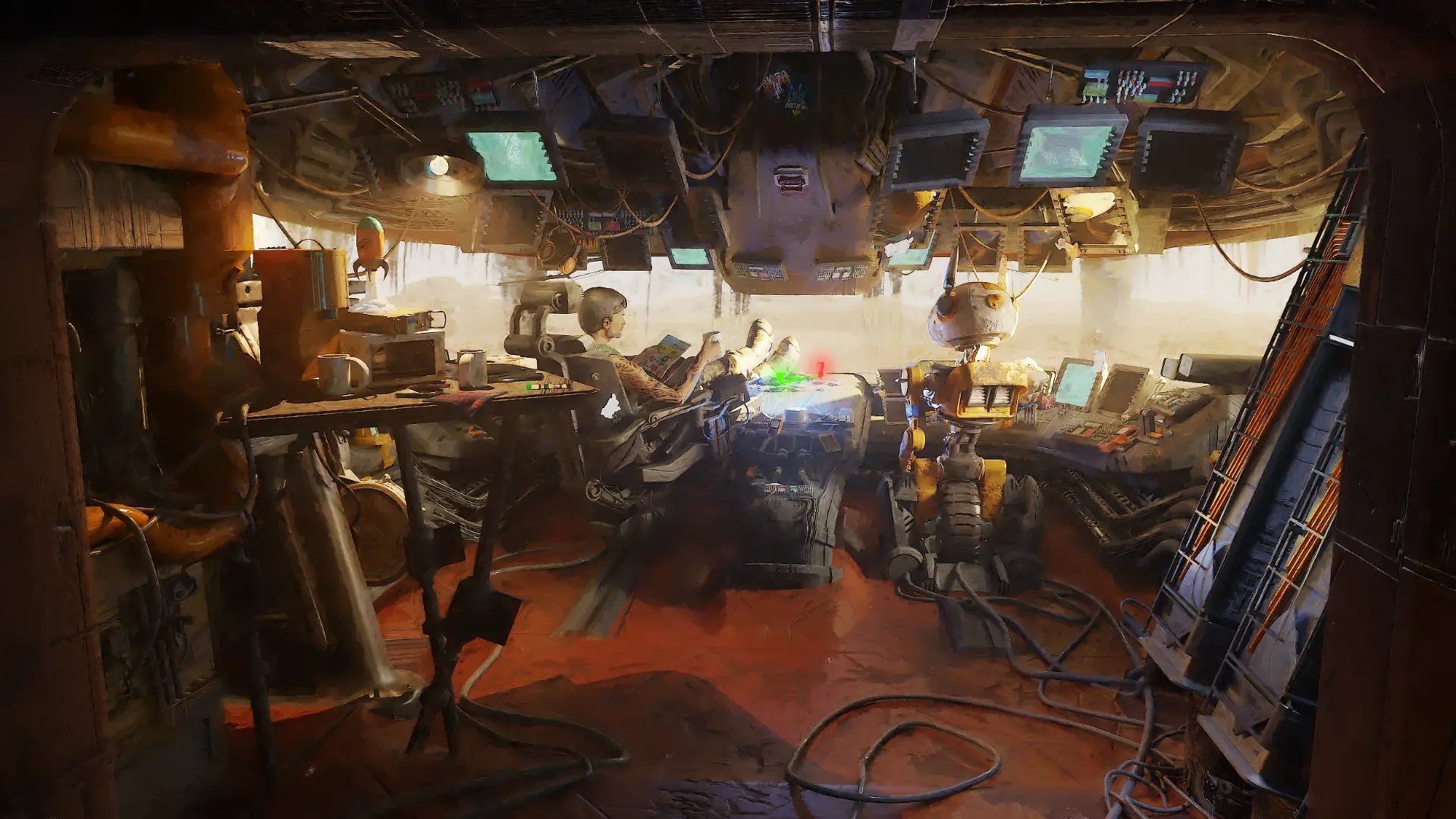
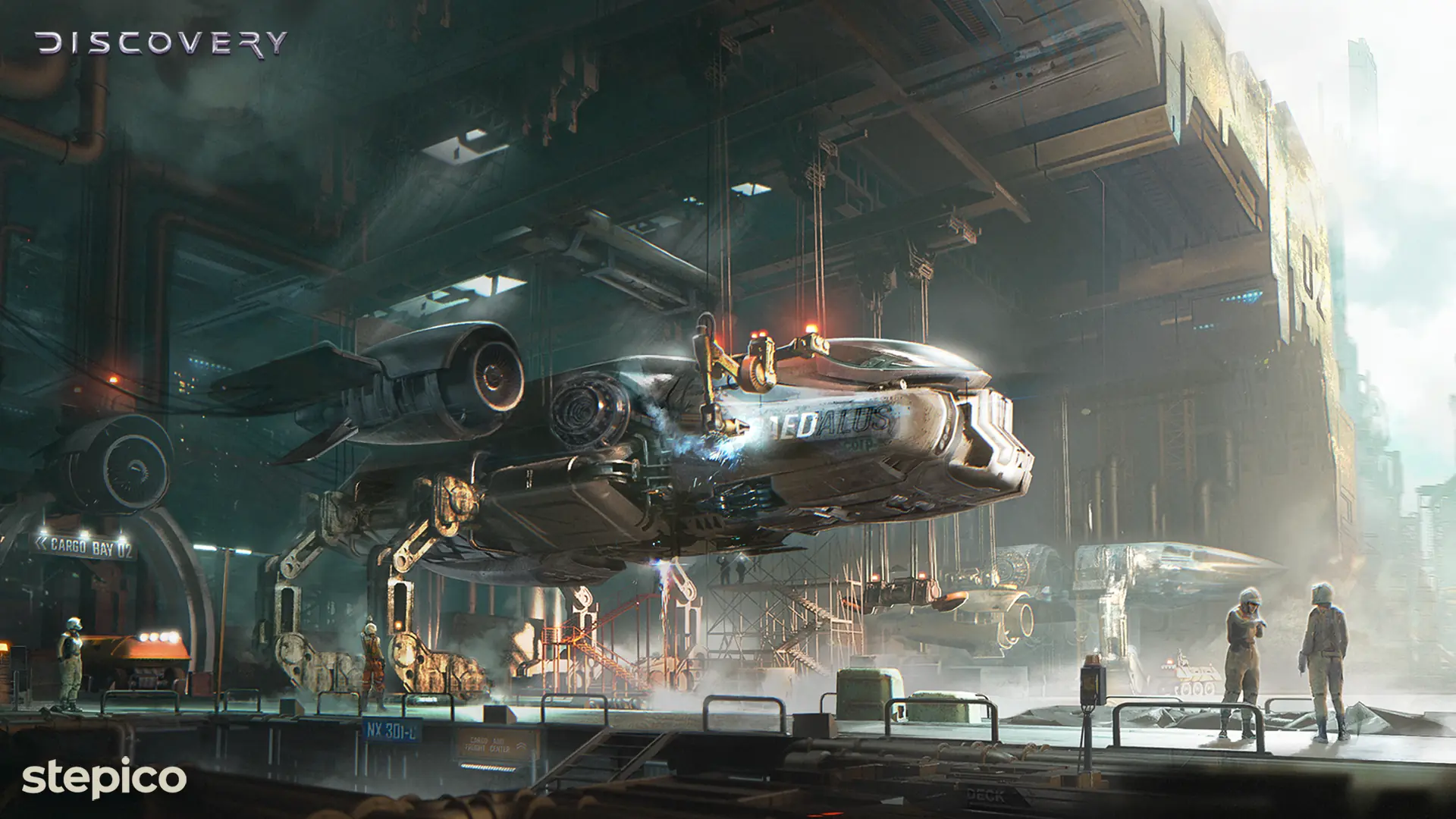
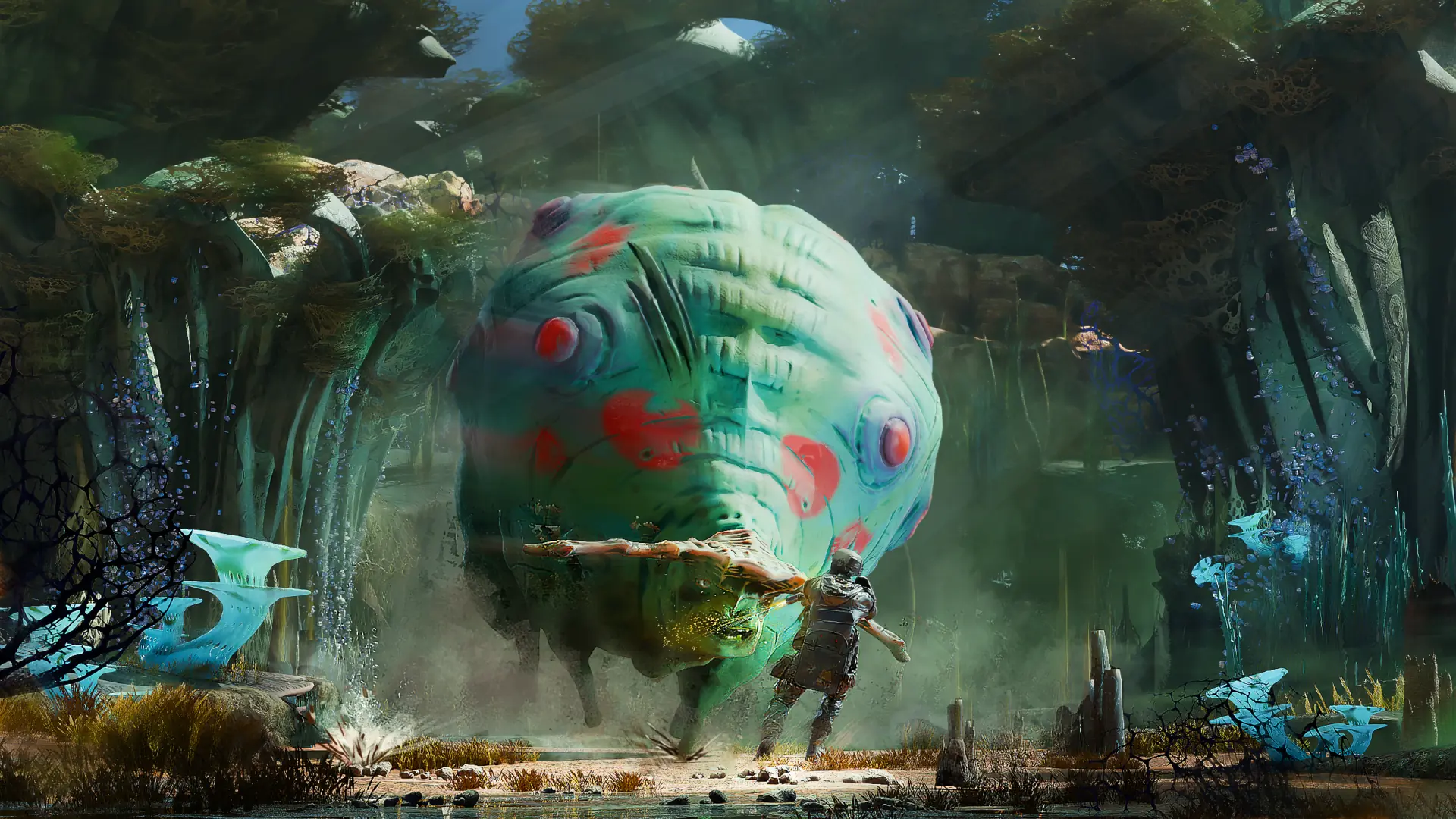
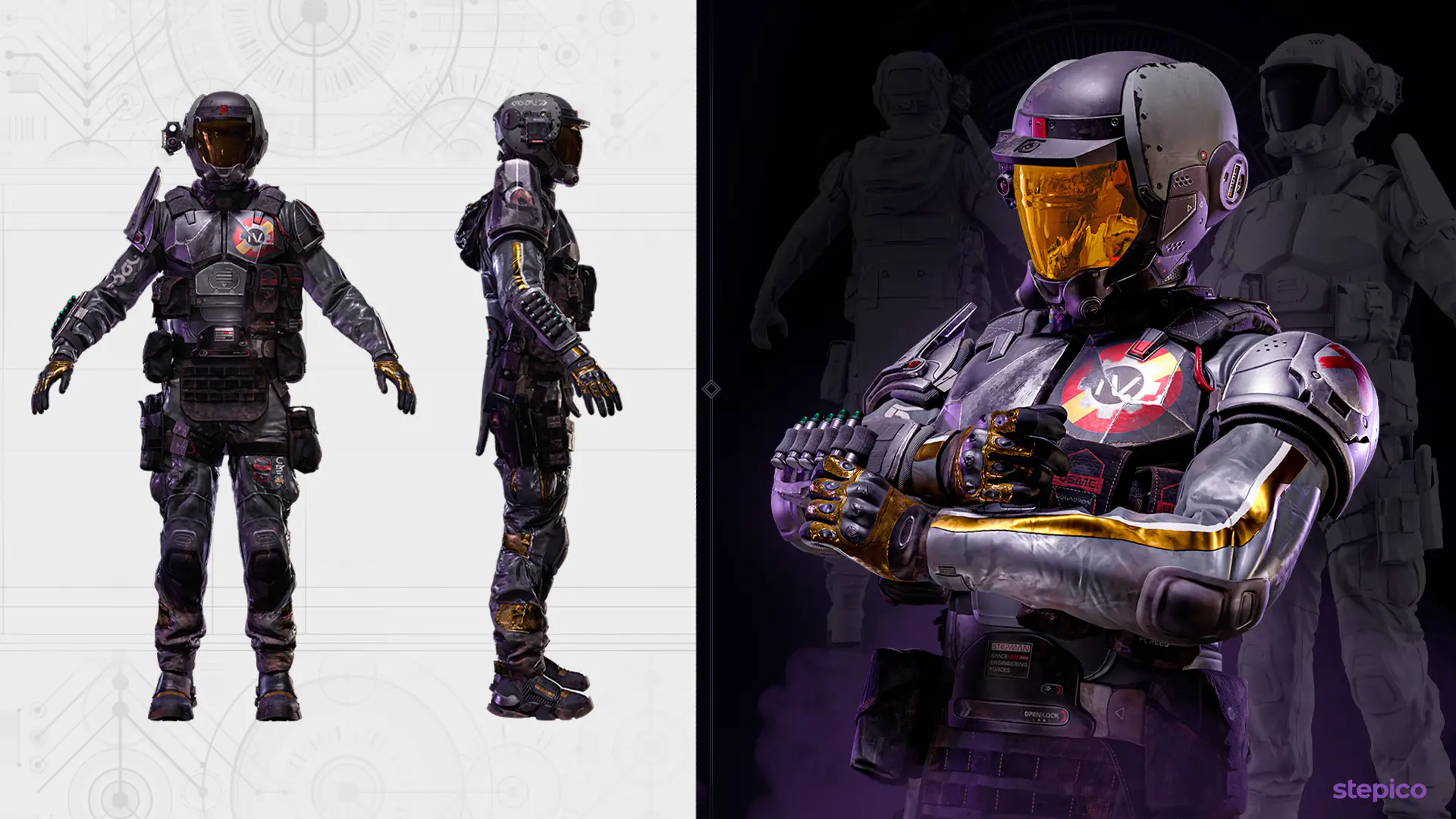
At first, Discovery: Rogue Planet was imagined very differently — closer to a third-person sci-fi shooter with monster-hunting elements. The VR direction appeared later, after the team connected with Meta and got the opportunity to develop the project for standalone VR.
This changed the game significantly. The realistic visual style had to be adapted to the limitations of Meta Quest 3, so the team shifted toward stylization. Some small objects and overloaded scenes were removed, while the team strengthened what works best in VR: tactile weapons, hand-based interaction, vertical locations, and shorter, more intense gameplay segments.
Movement became a separate challenge. In VR, the wrong movement system can quickly cause discomfort, so Discovery: Rogue Planet had to balance several modes: free movement, seated play, and teleportation. It may not be the most visible part of the game from the outside, but these decisions are exactly what determine whether a VR experience feels comfortable for a wider audience.
As with any game, some ideas did not make it into the final version. Discovery: Rogue Planet at one point considered an underwater level, a buggy, a more complex drone system, and even a cow boss that would attack the player in VR. Some of these decisions were dropped not because they were bad, but because they shifted the focus of the game or did not feel comfortable enough inside the headset.
This shows the specificity of VR development well: a mechanic that looks spectacular on paper can become too aggressive if it physically pushes the player, suddenly changes their position, or breaks the sense of control. That is why the final version of the game is more focused on pacing, presence, and a cohesive journey across Rogax.
Discovery: Rogue Planet includes Ukrainian elements, but they are not pushed to the forefront as a statement. Instead, they are woven into the game’s world: in names, individual symbols, equipment details, and music. The soundtrack was created by Ukrainian musician Gordiy Starukh, and the sound of the hurdy-gurdy became one of the key elements of the game’s atmosphere — especially in VR, where spatial audio literally surrounds the player.
For Stepico, the project is also important as an original product that grew out of the studio’s years of game development experience. Discovery: Rogue Planet does not feel like an attempt to simply “enter VR”; rather, it is an effort to bring together production experience, technical expertise, a love for sci-fi, and an understanding of how the immersive format works.
Discovery: Rogue Planet became available on August 13, 2026, for Meta Quest 3.
Ukrainian game development company Stepico, together with its product team Immersmind Studio, has released Discovery: Rogue Planet, a story-driven VR shooter for Meta Quest 3 created with support from Meta. It is a sci-fi adventure set on the desert planet Rogax, where players travel aboard the massive Discovery machine, complete missions, repair mechanisms, shoot, explore […]
https://itcluster.lviv.ua/wp-content/uploads/2026/08/discovery_image_12.jpg


