On October 16, Lviv IT Cluster and its member companies took part in an online meeting with Oksana Ferchuk, Ukraine’s Minister of Digital Transformation, and her team. The discussion focused on preparing digital infrastructure for the winter, strengthening the energy resilience of telecommunications networks, and potential changes to the criteria for designating critical enterprises and reserving employees from military service.
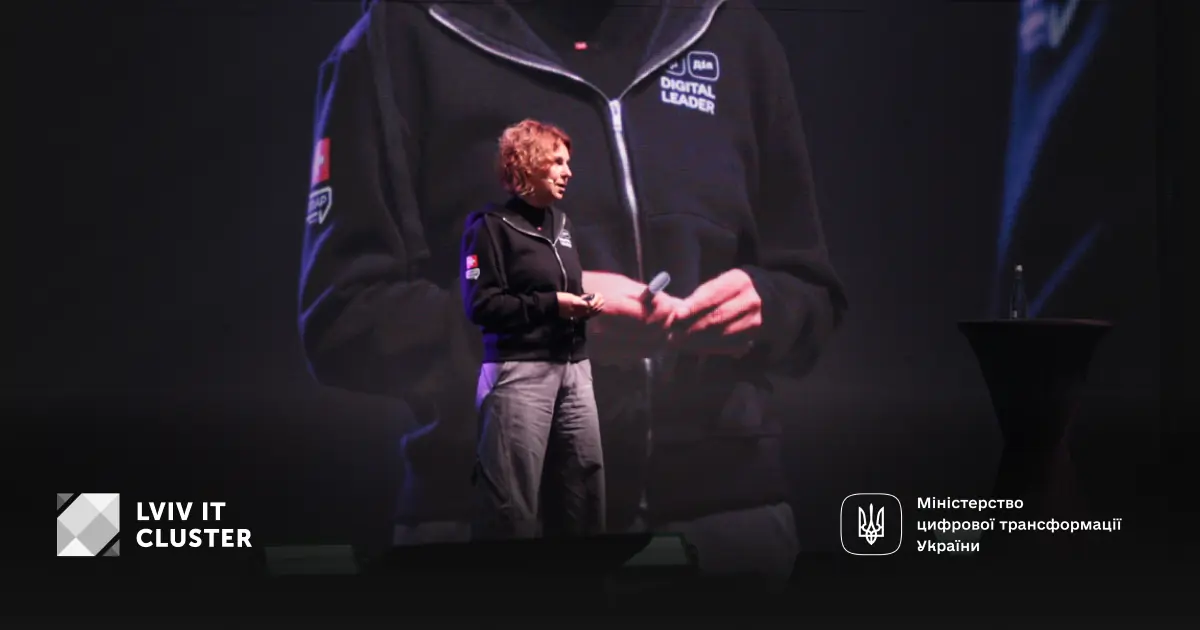
Participants discussed current challenges facing tech businesses and raised practical questions with ministry representatives about upcoming regulatory changes and how to ensure business continuity during the war.
Oksana Ferchuk outlined the government’s efforts to strengthen the resilience of digital infrastructure amid russian attacks on data centers, telecommunications networks, and other facilities. Despite infrastructure damage, most digital services continue to operate thanks to advance preparations.
One of the key priorities is ensuring the availability of backup systems for the government information infrastructure. The Ministry of Digital Transformation is working to provide essential services with multiple backup sites, including locations outside Ukraine. To support this effort, the government has allocated nearly UAH 600 million to back up government information resources and systems.
Particular attention was paid to preparing for potential prolonged power outages. According to ministry representatives, businesses should arrange backup power sources, geographically distributed copies of their data, and alternative communication channels in advance. For services that handle the relevant categories of data, cloud infrastructure hosted abroad should also be considered an additional backup solution.
Stanislav Prybytko, Deputy Minister of Digital Transformation of Ukraine, outlined measures to maintain mobile connectivity during power outages. Mobile operators have installed batteries at base stations, while communities are using generators to keep them operational during prolonged electricity supply disruptions.
Another priority is expanding energy-independent fiber-optic internet based on xPON technology. This enables users to maintain internet access during power outages, provided that both the internet service provider’s equipment and the home router have backup power.
Another part of the meeting focused on potential amendments to Resolution No. 76, which sets out the rules governing the reservation of employees liable for military service. Ministry representatives explained that the government is working to align the criticality criteria applied by different government bodies, making the process of designating critical enterprises more transparent and easier to understand.
The document is still being revised, so the final rules and their implications for companies remain uncertain.
Potential changes discussed included requiring the relevant authorities to reapprove the criteria for designating enterprises as critical and introducing an additional application review stage by a coordination headquarters. According to the Ministry of Digital Transformation team, this could extend the application review period by at least one month. At the same time, the coordination body’s final powers, review procedures, and appeal mechanisms still need to be clarified.
Tech business representatives emphasized the importance of predictable rules, transparent procedures, and consideration of the specific needs of companies of different sizes, including startups and small businesses. They also stressed that additional administrative procedures impose excessive demands on companies or hinder their operations.
Oksana Ferchuk reaffirmed the importance of a transparent regulatory framework designed to prevent misuse while maintaining economic activity. She urged businesses to wait for the final version of the document before drawing conclusions about specific criteria or the actions companies may need to take.
As a next step, participants agreed to consolidate additional questions and recommendations from businesses and submit them to the relevant government authorities. Once the final regulatory decisions are adopted, the parties will be able to discuss their impact on tech companies in detail.
Lviv IT Cluster continues to facilitate dialogue between tech businesses and the government on issues that directly affect the industry, companies’ resilience, and Ukraine’s ability to sustain economic activity.
On October 16, Lviv IT Cluster and its member companies took part in an online meeting with Oksana Ferchuk, Ukraine’s Minister of Digital Transformation, and her team. The discussion focused on preparing digital infrastructure for the winter, strengthening the energy resilience of telecommunications networks, and potential changes to the criteria for designating critical enterprises and […]
https://itcluster.lviv.ua/wp-content/uploads/2026/10/site-1.png


