On 23 October, the conference Scaling & Capital Strategy for Tech Companies: How AI Is Reshaping Business took place in Warsaw, bringing together representatives of the technology business community, investors and industry experts from Ukraine, Poland and CEE region. Participants discussed the practical application of AI, new approaches to company valuation, raising capital and scaling through mergers and acquisitions (M&A).

The program covered the use of artificial intelligence in business operations, investment, legal processes and team management, as well as the impact of technology on company valuation, M&A and post-deal business integration. Participants also explored international expansion, opportunities to enter new markets and partnerships between Ukrainian and Polish companies.
One of the central themes of the conference was the practical value of artificial intelligence for businesses. Speakers emphasized that simply purchasing AI tools does not guarantee greater efficiency. To achieve tangible results, companies need to rethink their workflows, set clear objectives and measure the impact of new solutions on business performance.
Dariia Danovska, Co-Founder & Chief Solutions Officer at Velway AI Solutions, noted that opportunities to implement AI are often hidden in everyday operations, such as email management, spreadsheets, internal data handling and processes that rely on knowledge held by individual employees. According to Velway’s approach, a 30-day process assessment can identify 20–40 potential automation initiatives and help determine their feasibility. Identifying these opportunities allows companies to start with specific tasks, evaluate the impact and scale solutions that have demonstrated value.
At the same time, companies need to determine how they will use the time freed up by automation. Without a clear plan, saving time and effort does not necessarily translate into higher productivity. Large-scale AI initiatives require leadership involvement, professionals accountable for results and clearly defined performance metrics.
Mariusz Gąsiewski, CEE Mobile Gaming and Apps Lead at Google, highlighted a paradox in today’s technology market: building products is becoming easier, while attracting audiences and achieving growth is becoming more difficult. AI can help businesses research markets and user needs, create advertising materials, forecast marketing campaign performance and automate customer support. However, making effective use of these technologies requires a long-term vision for product development.
AI also creates opportunities to gain deeper insights into markets and audiences, develop advertising content, predict marketing campaign results and automate customer support. At the same time, technology cannot replace a clear strategy. Companies need to understand how new tools will help them attract customers and grow their businesses.

Artificial Intelligence is reshaping how investors assess technology businesses. While rapid growth and a strong team may once have been key arguments in favor of an investment, investors are increasingly focused on whether a company can sustain its competitive advantages in a market where new products can be developed much faster.
Participants discussed robotics, AI infrastructure, space technology and defense solutions as promising areas for investment. However, a business’s prospects depend not only on how relevant its technology is, but also on its ability to solve real customer problems.
Companies with proprietary data, those operating in regulated industries or those whose products are deeply embedded in customer workflows may have a distinct advantage. In such cases, competitors cannot easily replicate their value simply by using a new AI model.
These issues were also explored by Piotr Widacki, Partner at Digital Ocean Ventures; Paweł Maj, Partner at Vestbee Angels; Michał Górecki, Senior Investment Partner at MCI Capital; and Mathias Eklöf, Founder of Hype Ventures, during the panel discussion “AI Changed the Game: The New Logic of Investment and Valuation”.
The panelists stressed that investors need to assess not only a company’s current performance but also its ability to maintain its value over the long term. Startups whose products can be easily replicated using off-the-shelf AI models may be less attractive to investors. By contrast, sustainable competitive advantages can be built on proprietary data, network effects and products that customers cannot readily replace without making significant changes to their business processes.
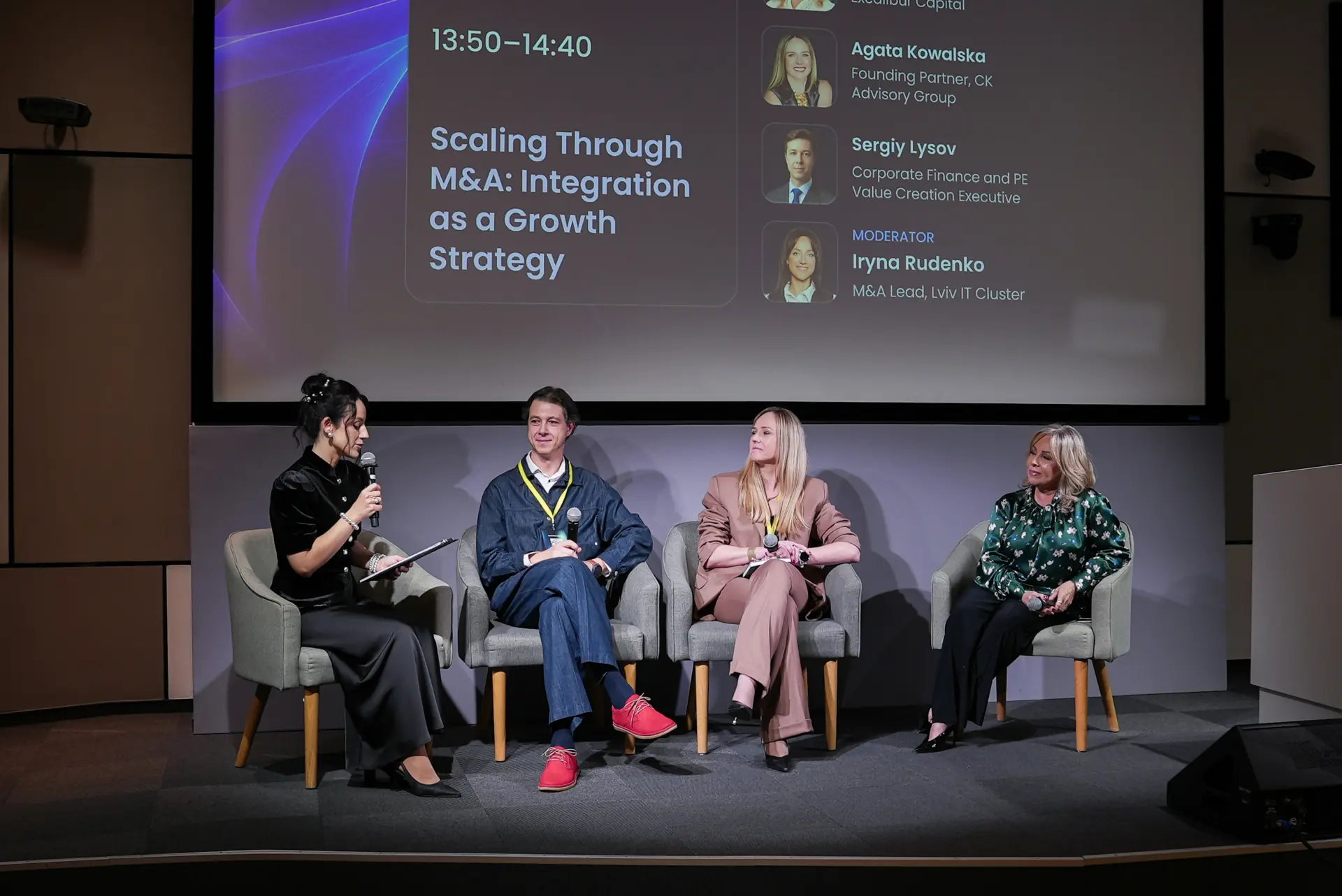
Mergers and acquisitions were another key topic, with participants exploring M&A as a tool for business growth. A successful M&A deal involves more than financial calculations and legal agreements. It also requires an understanding of strategic alignment between companies, an assessment of team capabilities and an integration plan developed well in advance.
As participants emphasized, preparation for integration should begin during the due diligence stage. Particular attention should be paid to corporate culture, informal leaders and key employees whose contributions are essential to business continuity. Retaining these professionals requires dedicated planning and open communication about upcoming changes.
It is also important to agree on earn-out terms in advance. Under this mechanism, part of the deal consideration depends on the business’s future performance. Clear calculation rules and an agreed allocation of responsibilities help prevent conflicts during integration.
Leaders who will be responsible for the combined business after the deal closes should also be involved in the preparation process. Even a financially attractive transaction may fail to deliver the expected results if the parties have not aligned their objectives or prepared to work together.
As Sergiy Lysov, Corporate Finance and PE Value Creation Executive; Agata Kowalska, Founding Partner at CK Advisory Group; and Agata Wąsowska, Chief People Partner at Excalibur Capital, highlighted, AI can support deal analysis and preparation, but it cannot replace industry expertise or accountability for decisions.
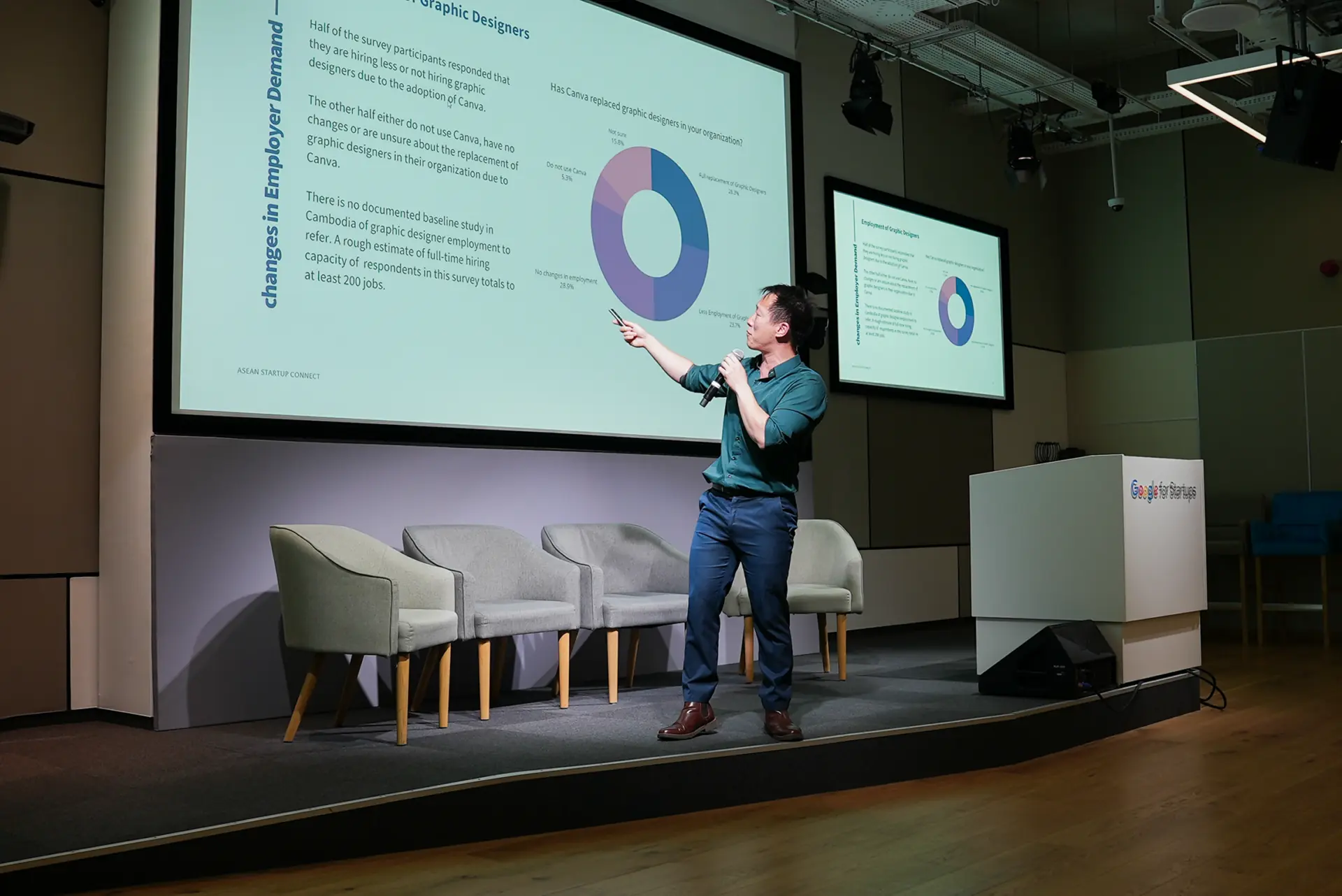
Despite the rapid development of AI, many business challenges continue to revolve around people: their readiness for change, how teams collaborate and their ability to execute strategies. Technology can accelerate development and automate specific tasks, but implementing solutions, assessing quality and building trust remain essential to business success.
In his talk on the human side of growth, Galeno Chua, Director of ASEAN Startup Connect, explained that even well-designed strategies are not always successfully executed. Many business problems stem from how people work together, and the implementation of change depends not only on the logic behind a solution but also on whether the team is ready to embrace it. Empathy, alignment and strong working relationships are important prerequisites for successful strategy execution.
A strategy remains just a plan until it is put into practice; its value depends on the quality of execution. Companies, therefore, need to do more than set objectives and track performance. They must also align expectations, build effective working relationships and create an environment that supports responsible decision-making. Before defining key performance indicators (KPIs), it is worth identifying the issues that matter most to the business and the outcomes it genuinely needs to achieve.
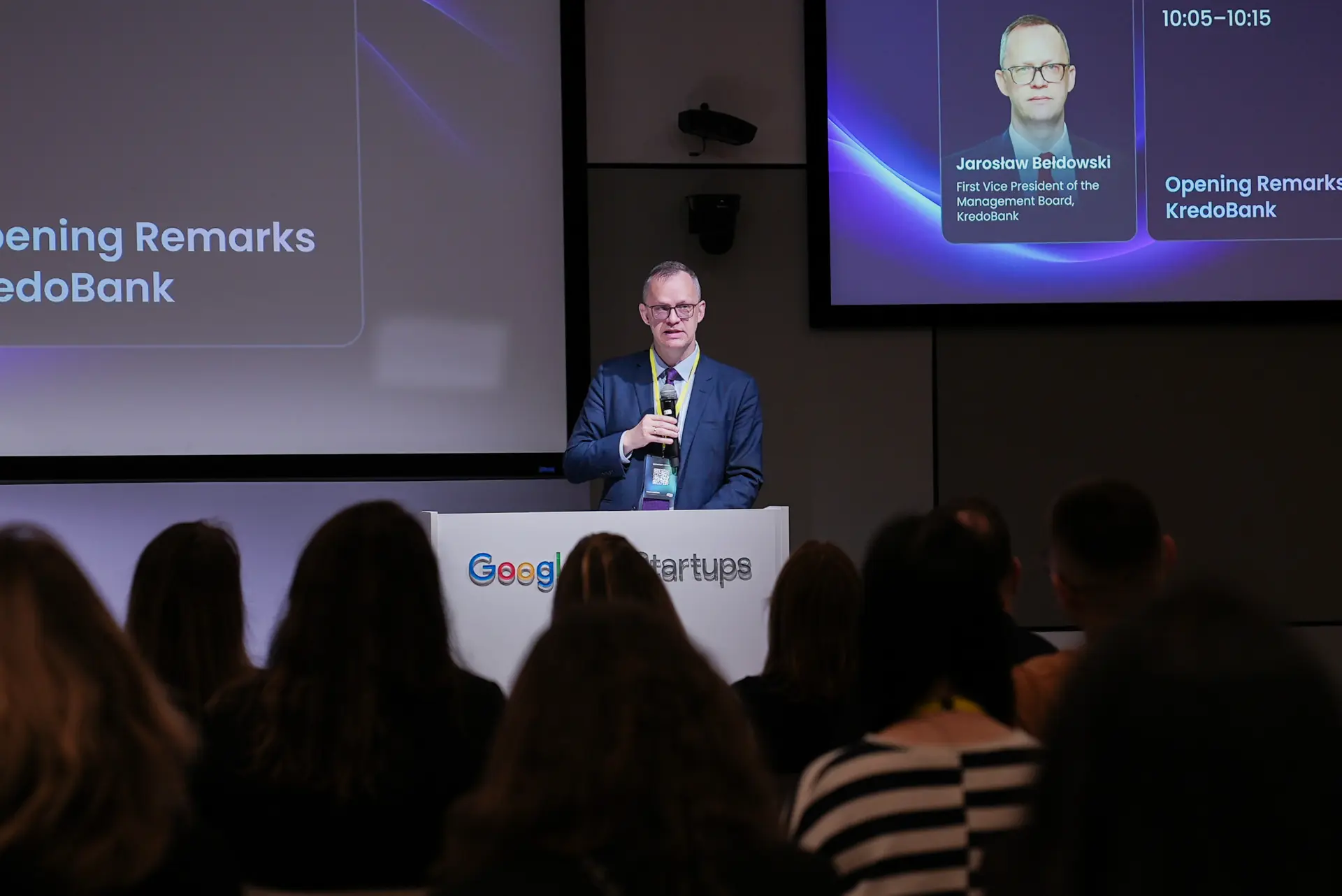
Poland can serve as an important platform for Ukrainian technology companies looking to enter EU markets. Participants discussed opportunities for international cooperation, attracting investment and the role of financial institutions in supporting Ukrainian businesses and strengthening economic ties between the two countries.
Jarosław Bełdowski, First Vice President of the Management Board at KredoBank, spoke about the role of financial institutions in fostering bilateral cooperation. In early November 2026, the bank plans to open a representative office in Warsaw, which is intended to serve as a bridge for Polish investment in Ukraine and support Ukrainian companies seeking to expand into EU markets.
For Ukrainian technology companies, international cooperation creates opportunities to find partners, attract investment and scale their businesses. Success, however, depends on the ability to demonstrate a sustainable business model, understand the needs of new markets and turn technological capabilities into tangible value for customers.
The conference also provided a platform for professional networking and exploring potential partnerships. Such meetings highlight the importance of open dialogue between entrepreneurs, investors and industry experts at a time of rapid technological change.
For Lviv IT Cluster, developing international connections creates opportunities to bring expertise together, strengthen Ukrainian-Polish cooperation and open up new prospects for technology businesses.
The event took place at Google for Startups Campus Warsaw, with KredoBank as its strategic partner. It was held under the Honorary Patronage of the Embassy of Ukraine in the Republic of Poland.
Co-funded by the European Union. Views and opinions expressed are, however, those of the author(s) only and do not necessarily reflect those of the European Union or European Commission. Neither the European Union nor the European Commission can be held responsible for them.
On 23 October, the conference Scaling & Capital Strategy for Tech Companies: How AI Is Reshaping Business took place in Warsaw, bringing together representatives of the technology business community, investors and industry experts from Ukraine, Poland and CEE region. Participants discussed the practical application of AI, new approaches to company valuation, raising capital and scaling […]
https://itcluster.lviv.ua/wp-content/uploads/2026/10/dsc01236-1.png


